Why Typography Is The Most Powerful Tool In A Designer's Arsenal
Category
Typography
Published date
Read time
6 min read
Author
Marcus Reid
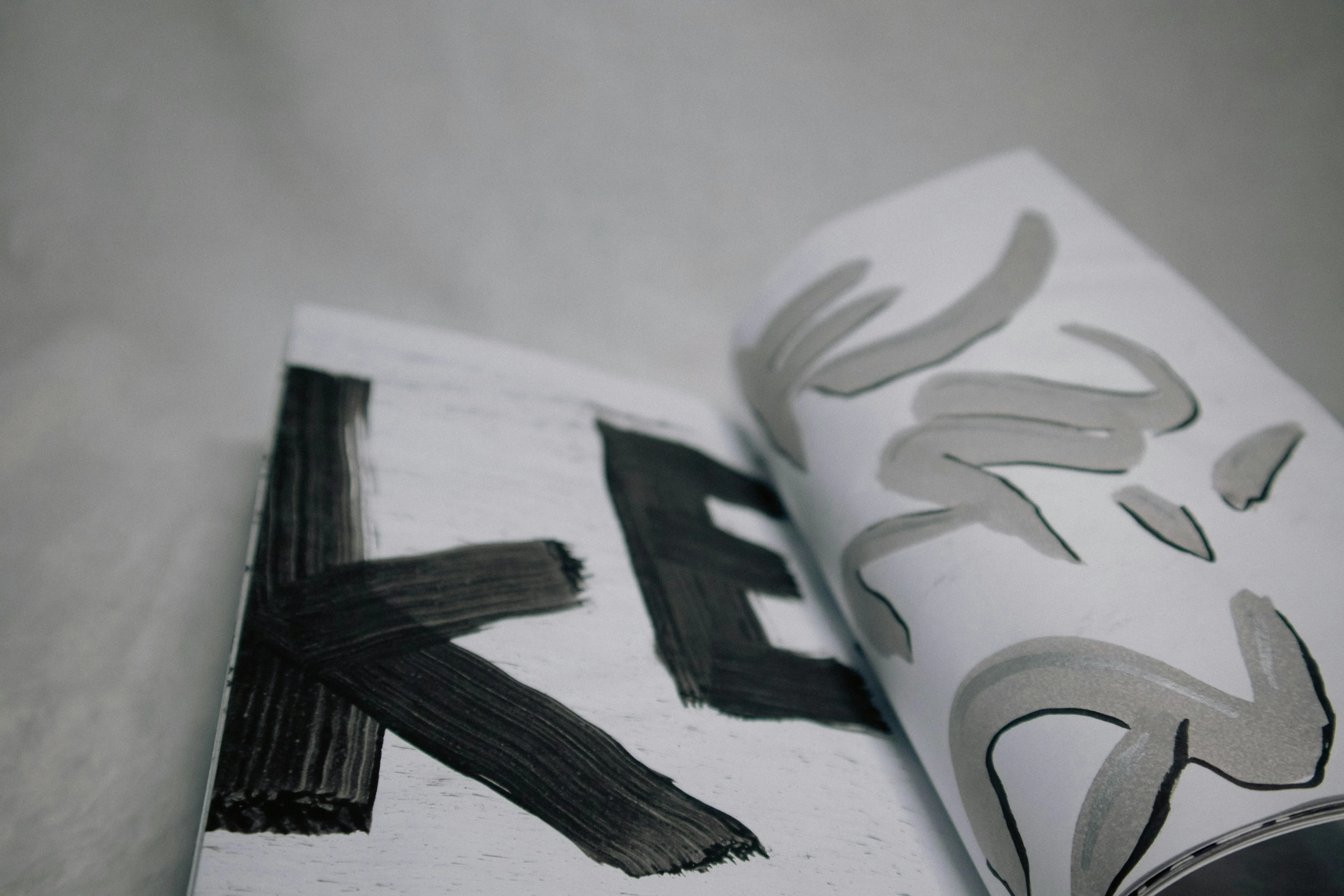
Before colour, before imagery, before layout — there is type. Typography is the first decision a designer makes and often the most consequential. It sets the tone, communicates the brand's personality and determines whether a piece of communication succeeds or fails before anyone has consciously registered what they are looking at. Yet despite its fundamental importance, typography remains one of the most misunderstood and undervalued disciplines in design practice today.
Type Communicates Before You Read It
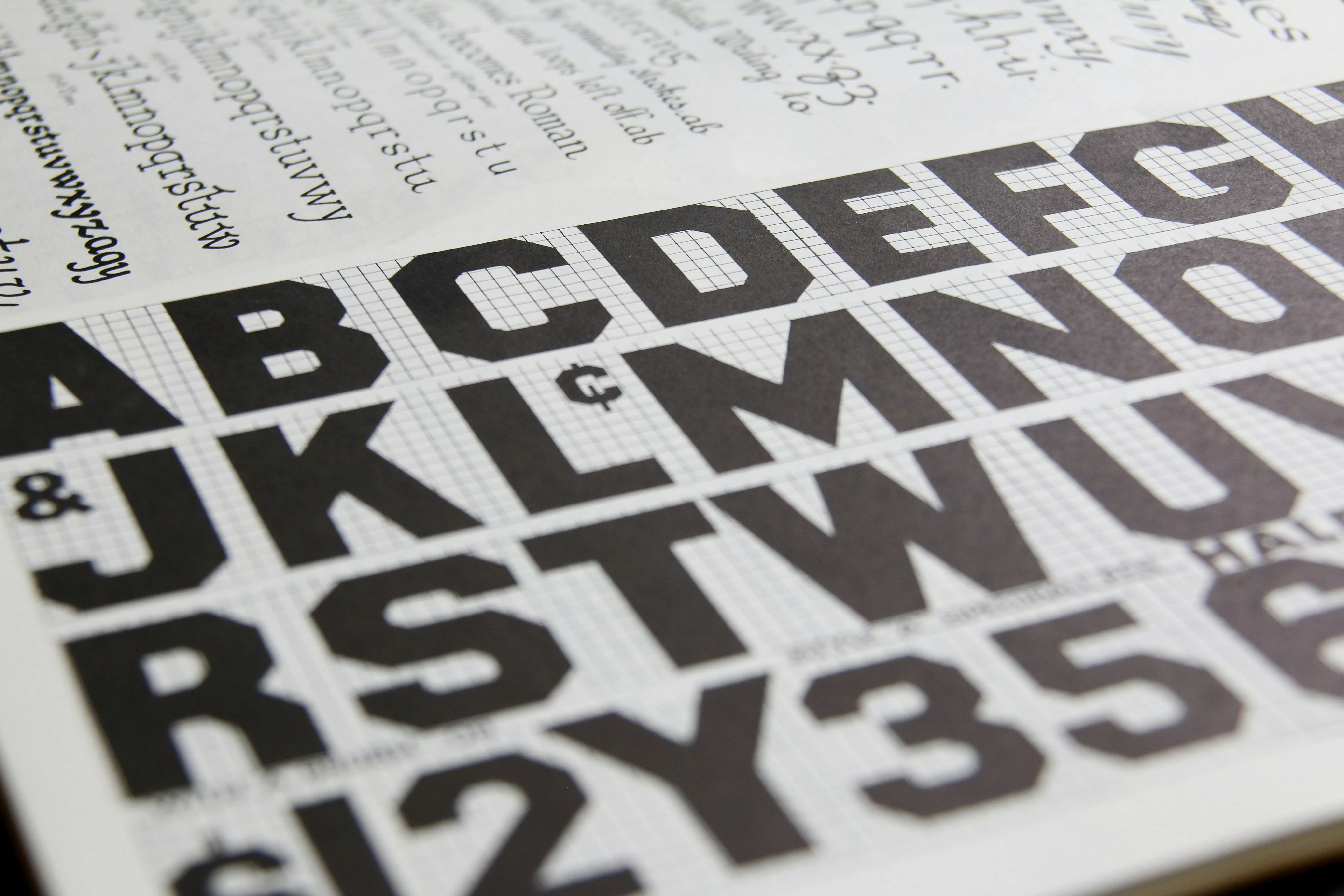
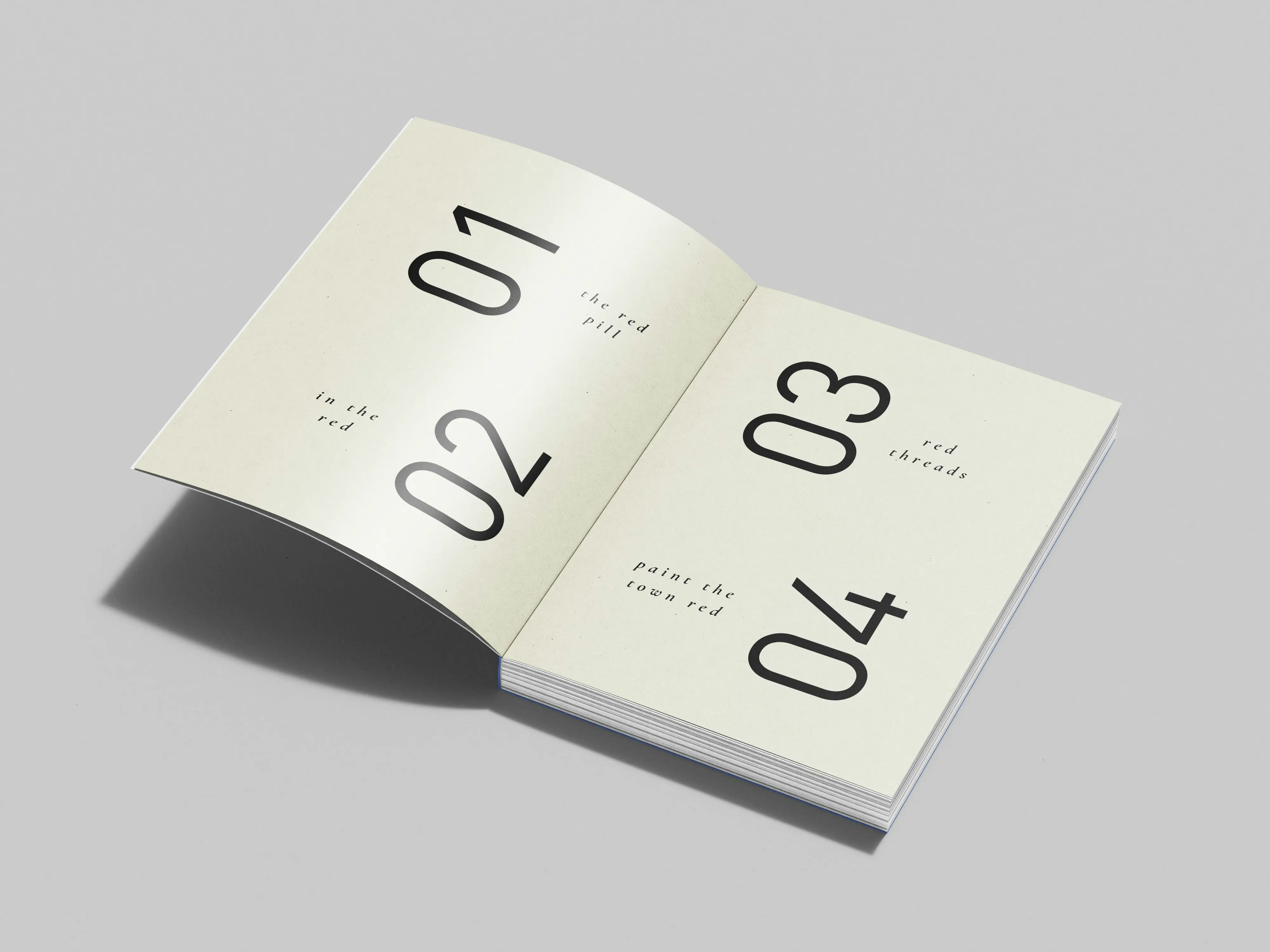
The moment your eye lands on a page, your brain is already forming impressions based on the typographic choices in front of you. The weight of a headline, the spacing between letters, the rhythm of a paragraph — all of these communicate mood, authority, warmth or urgency before a single word has been consciously processed. This is why two brands can say exactly the same thing and feel completely different. The words are identical. The typography is not. A condensed grotesque set tight and bold communicates something fundamentally different from a light serif with generous leading, even if the text is word for word the same. Great designers understand this and use it deliberately. They choose typefaces the way a director casts actors — not just for what they say, but for how they make the audience feel.
The Hierarchy Problem Most Designers Get Wrong
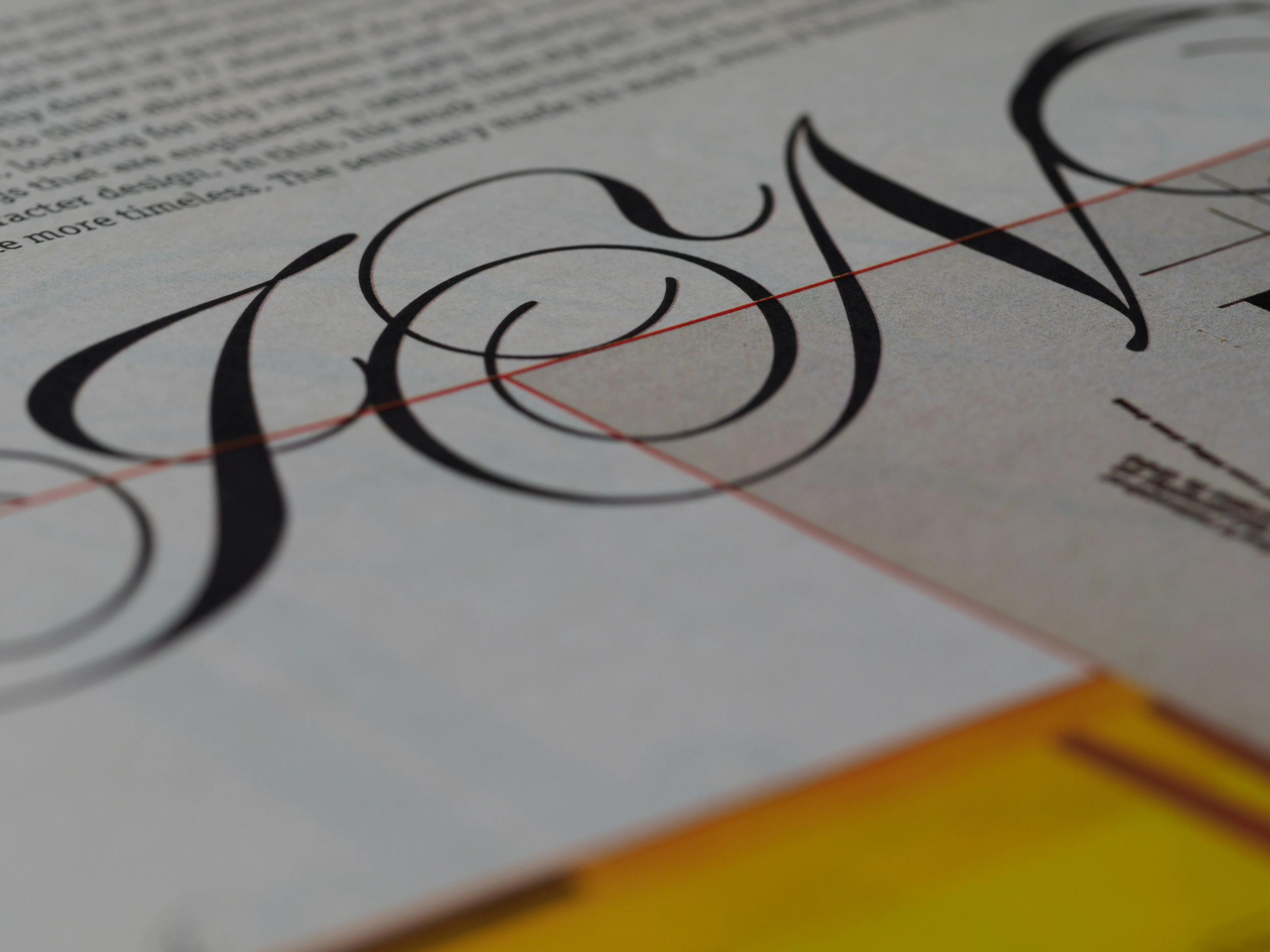
Typographic hierarchy is the system by which a designer guides the reader's eye through a piece of communication in the intended order. Done well it is invisible — the reader moves naturally from headline to subheadline to body copy without ever feeling directed. Done poorly it creates confusion, frustration and ultimately disengagement. The most common mistake designers make with hierarchy is relying too heavily on size as the only differentiator. Size matters, but so does weight, colour, spacing, case and position. A well constructed typographic hierarchy uses all of these tools in concert, creating a layered system where each level of information has its own clear visual voice. The result is a page that communicates with clarity and confidence, regardless of how complex the content underneath actually is.
Why Your Font Choice Is A Brand Decision
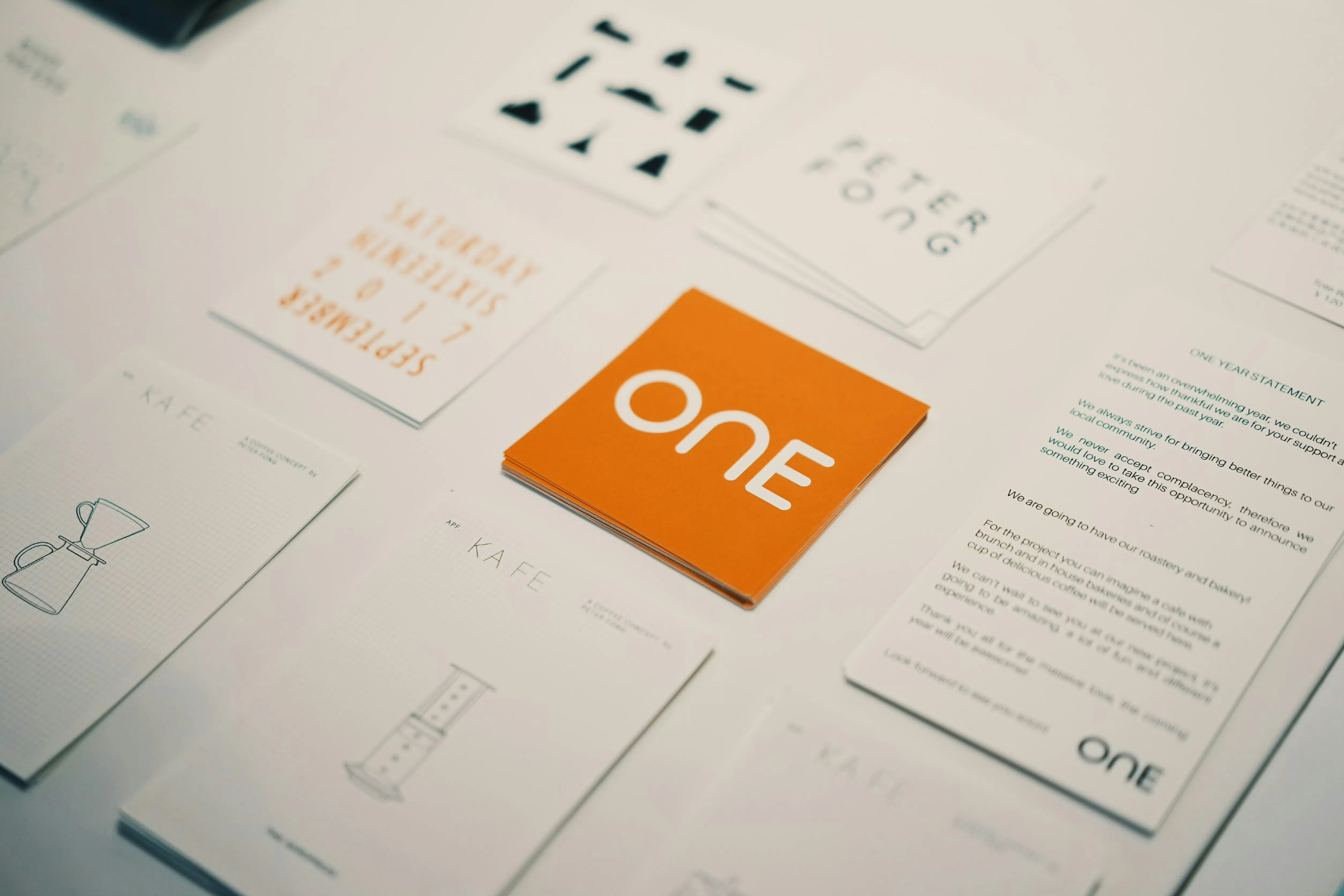
Every typeface carries cultural baggage. Helvetica signals corporate neutrality and Swiss precision. Garamond whispers of old world refinement and academic credibility. A hand-drawn script feels personal, warm and artisanal. These associations are not accidents — they have been built up over decades of use and cultural context, and they are incredibly difficult to override. This means that choosing a typeface for a brand is not a stylistic decision — it is a strategic one. The right typeface amplifies everything else the brand is trying to communicate. The wrong one creates a subtle but persistent dissonance that undermines even the strongest visual identity. At Glyph Co., typography is always the first conversation we have with a new brand client. Before we talk about logos or colour palettes or layouts, we talk about type. Because everything else flows from there.
Typography is not a finishing touch. It is not the last thing you think about once everything else is in place. It is the foundation on which every other design decision is built. The designers who understand this — who treat type as a discipline worthy of deep study and deliberate practice — are the ones who build brands that feel truly considered. At Glyph Co., we believe that great typography is one of the clearest signals of a studio that genuinely cares about craft. It is how we approach every project we take on, and it is how we will continue to approach every project we do.
More publications
Keep Reading.


Make this yours