What Makes A Brand Identity Actually Work
Category
Branding
Published date
Read time
7 min read

Author
Marcus Reid
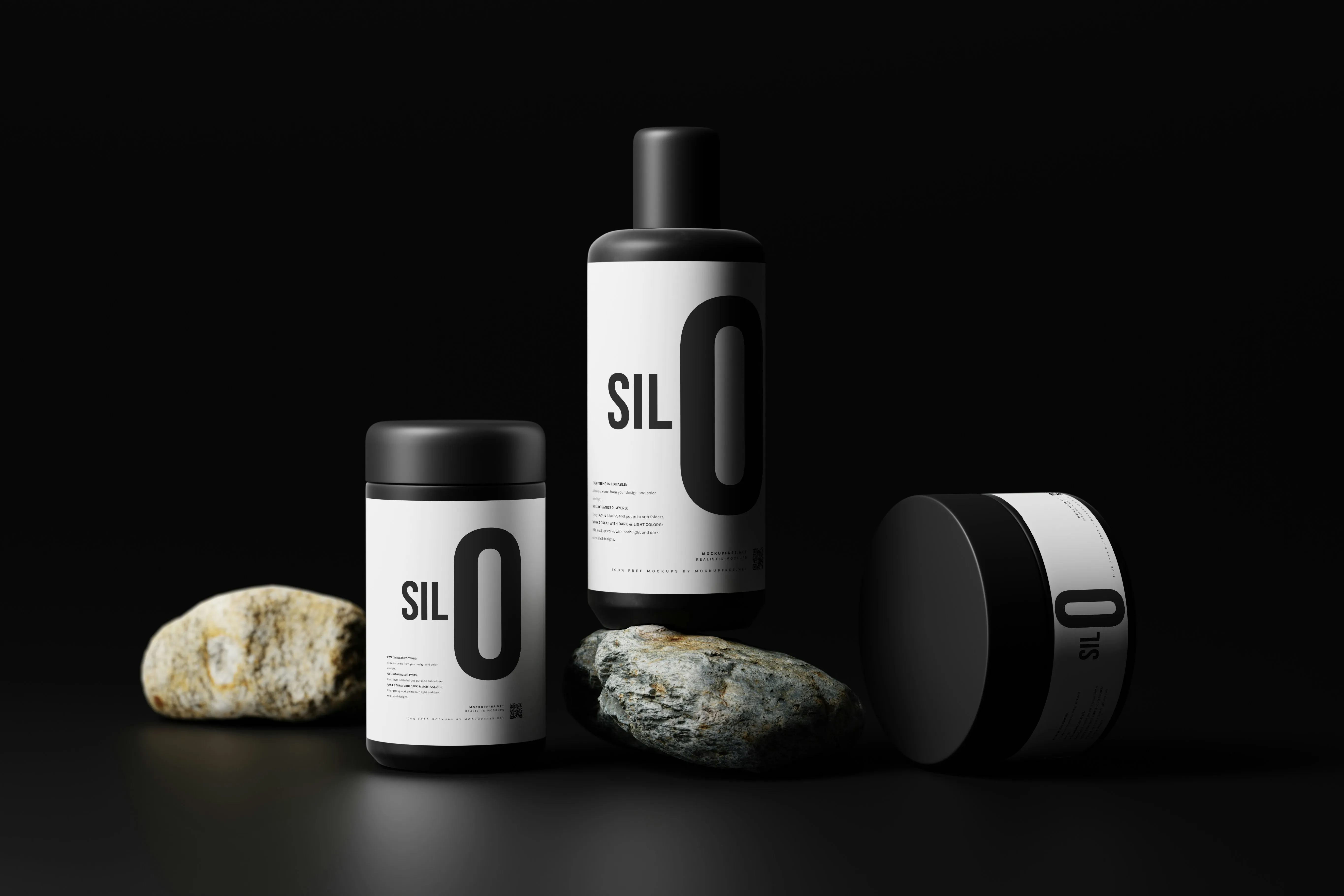
Every week a new startup launches with a beautiful logo, a carefully chosen colour palette and a set of brand guidelines that took three months and a significant budget to produce. And every week, a significant number of those brands quietly fail to connect with the audience they were designed for. Not because the work was bad. Often the work is genuinely good. They fail because the identity was designed as decoration rather than strategy — as a way to make the business look credible rather than a system built to communicate something true and specific about what the business actually is. A brand identity that works is a rare thing. Here is what separates it from one that does not.
A Brand Is A Promise Made Consistently
The most useful definition of a brand is this: a brand is the sum of every expectation your audience holds about what it is like to interact with you. It is not the logo. It is not the colours. It is not the tone of voice guidelines sitting in a PDF that nobody reads after the first week. It is the accumulated experience of every touchpoint — every email, every product, every piece of packaging, every customer service interaction — stacked up over time into a set of expectations that either get met or do not. A brand identity works when it accurately reflects and consistently reinforces those expectations at every visual touchpoint. When someone sees your logo on a billboard and it makes them feel exactly what they feel when they use your product, your identity is working. When there is a gap between the two — when the visual language promises something the experience does not deliver — the identity is failing, regardless of how beautiful it is.

Distinctiveness Beats Aesthetics Every Time
The most common mistake brands make is optimising for beauty over distinctiveness. A beautiful brand that looks like five of your competitors is strategically worthless. A strange, distinctive brand that nobody else looks like is enormously valuable — even if it makes some people uncomfortable. Distinctiveness is what allows a brand to be recognised instantly, without the name attached. It is what builds the mental shorthand that makes people choose you without consciously thinking about it. The brands that achieve this are rarely the ones that followed the trends of their moment. They are the ones that made strong, sometimes counterintuitive decisions and committed to them with total conviction. At Glyph Co., we push our clients toward distinctiveness every time. It is a harder conversation than talking about whether a logo is pretty. But it is the only conversation that actually matters for long-term brand health.
The System Is More Important Than Any Single Element
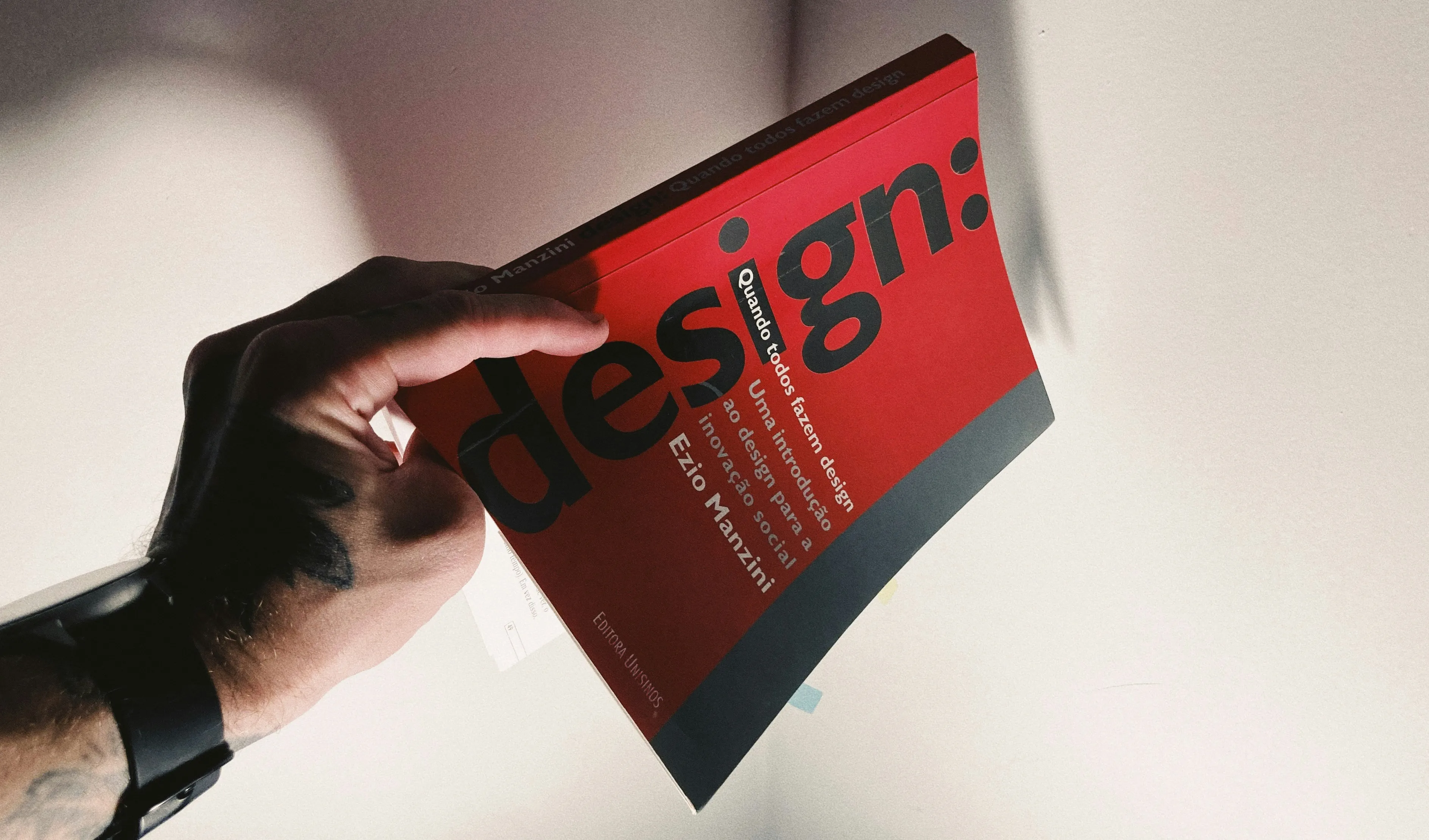
A logo is a container. On its own it means nothing. It is the system around it — the typefaces, the colour palette, the image treatment, the tone of voice, the spatial relationships between elements — that fills that container with meaning over time. This is why the best brand identities are built as systems rather than collections of assets. A system has rules that govern how all the elements relate to each other, creating consistency across every application without requiring every single execution to be designed from scratch. It scales. It adapts. It gives the brand team the tools to make good decisions independently without needing to brief an agency every time a new touchpoint needs to be created. Building a brand identity as a system rather than a logo with some supporting assets is one of the most important things a design studio can do for a client. It is also one of the most undervalued.
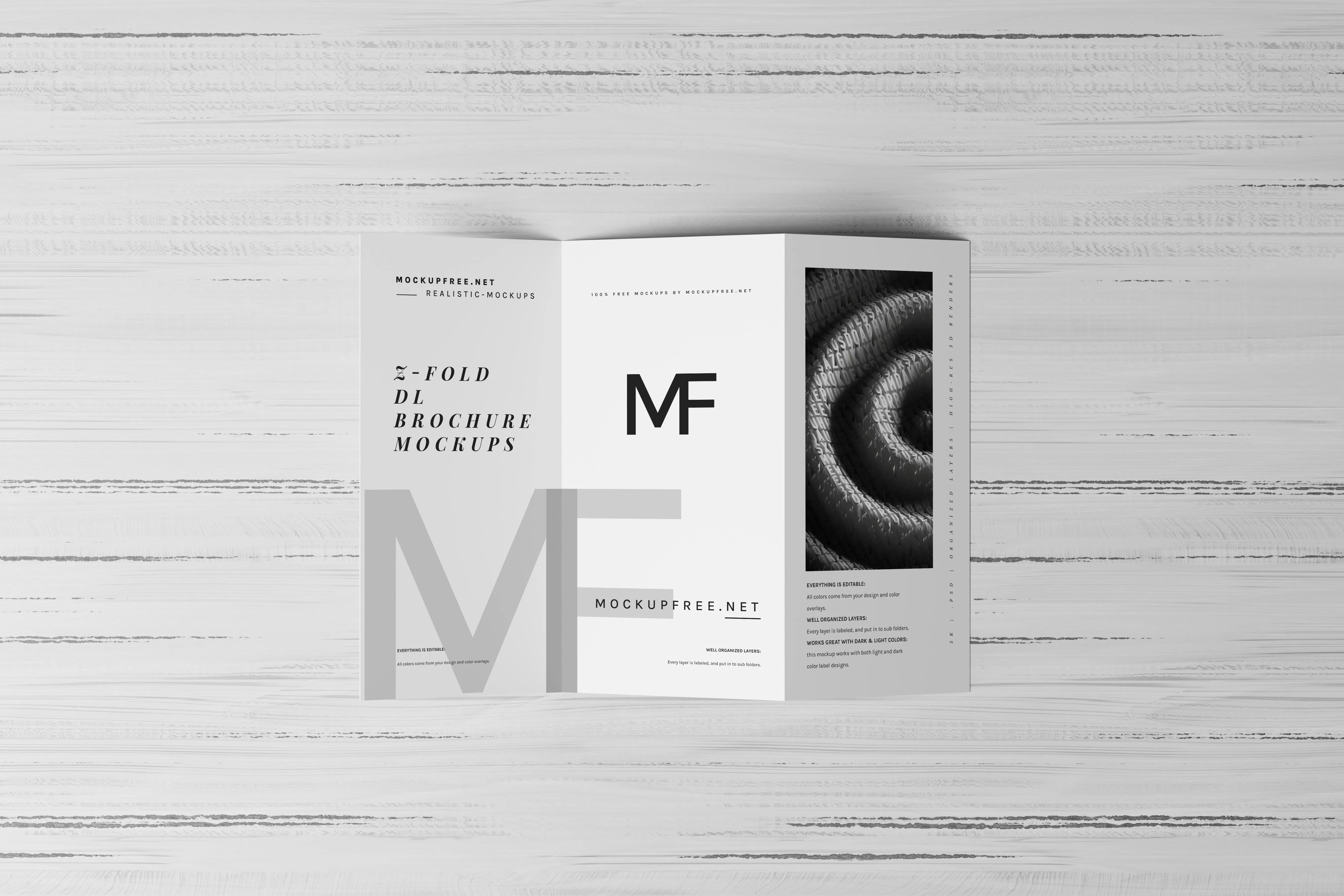
A brand identity that works is not an accident. It is the result of a clear strategic foundation, strong creative decisions made with conviction, and a system rigorous enough to maintain consistency across every touchpoint over time. It takes longer to build than a logo. It costs more to build than a logo. And it delivers returns that a logo alone never could. At Glyph Co., this is how we approach every brand engagement we take on — not as a logo project, but as a system project. Because that is the only kind of brand work that actually moves the needle.
More publications
Keep Reading.



Make this yours