The Case For Brutalist Web Design In 2025
Category
Design
Published date
Read time
5 min read

Author
Yuna Choi
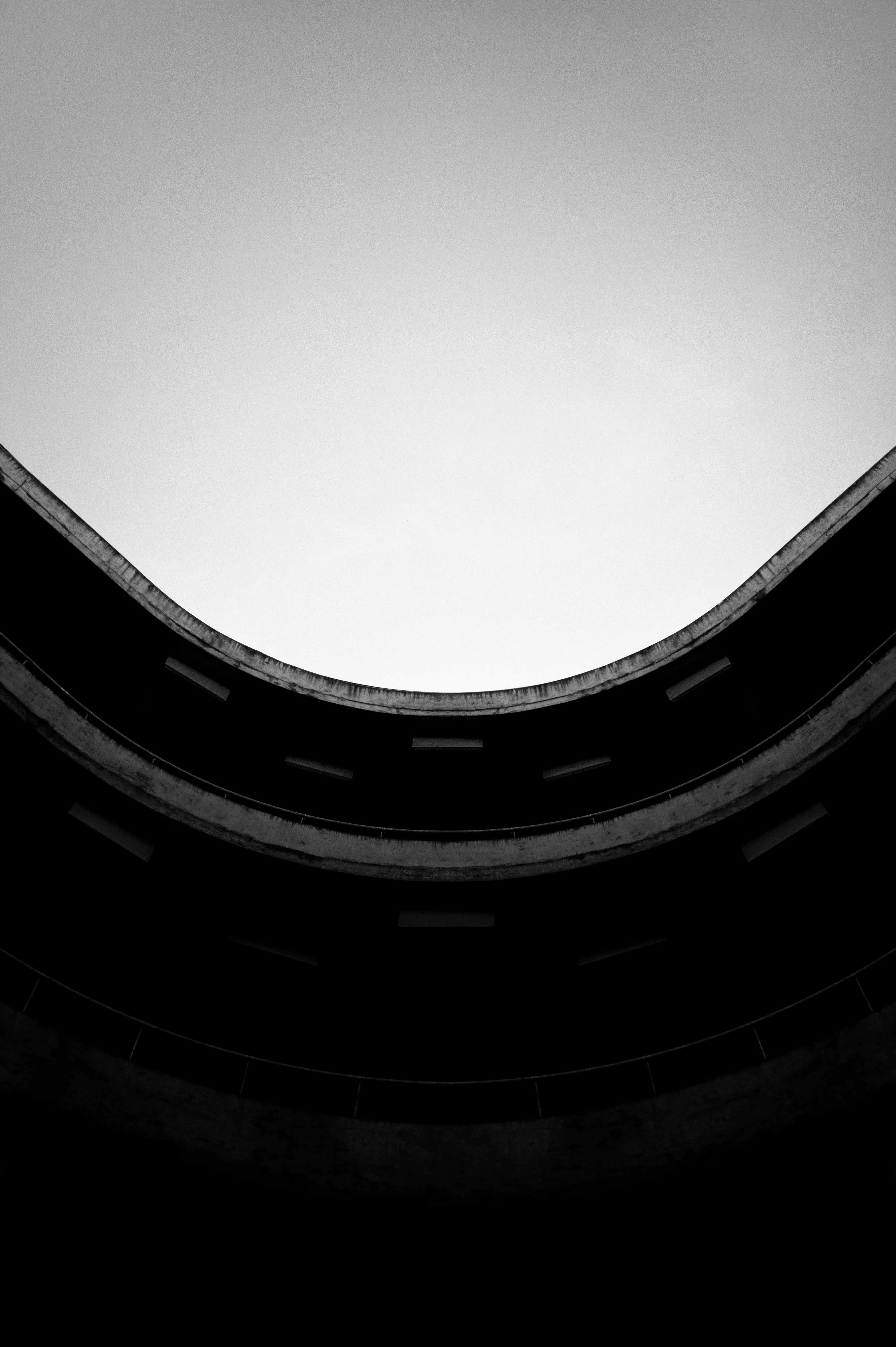
Every few years the design industry collectively decides what good looks like. For most of the last decade, good meant clean. It meant minimal. It meant soft gradients, rounded corners, generous white space and interfaces so frictionless they practically disappeared. And for a while, that made sense. The web was maturing, users needed guidance, and clarity was a genuine virtue. But something got lost along the way. In chasing the frictionless, we accidentally built a web where everything looks the same — where every startup, every agency, every personal portfolio uses the same stack of familiar visual clichés and calls it design. Brutalism is the correction.
What Brutalism Actually Means
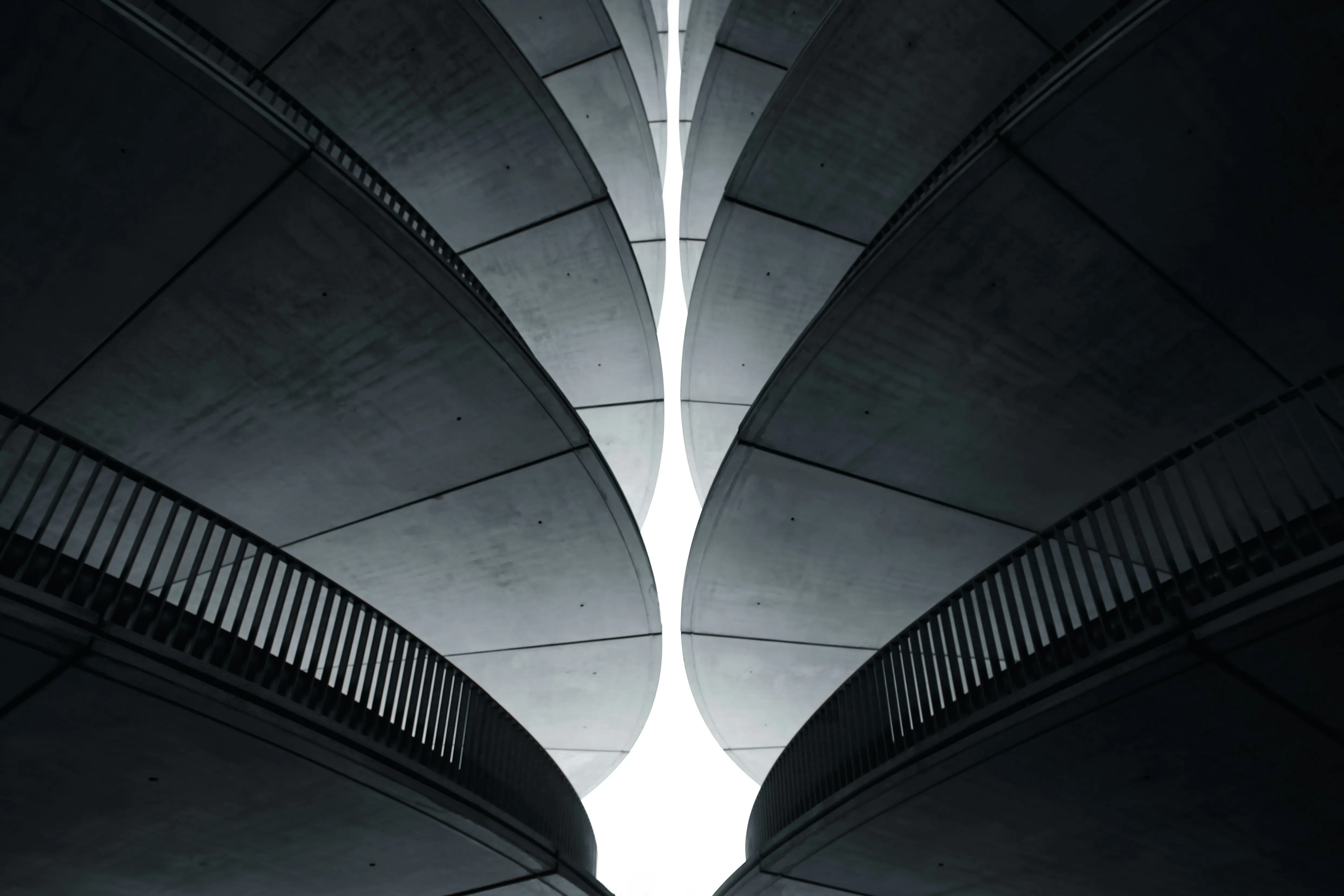
Brutalist web design borrows its name and its attitude from brutalist architecture — the mid-century movement that celebrated raw materials, honest construction and the refusal to hide structural reality behind decorative facades. In architecture, brutalism meant exposed concrete and visible systems. In web design, it means something similar: raw layouts, visible grids, unstyled or deliberately crude typography, and an intentional rejection of the conventions that make most websites look safe and palatable. But it is important to separate brutalism from bad design. The best brutalist websites are not ugly by accident — they are confrontational by intention. Every jarring choice is deliberate. Every moment of visual discomfort is engineered to create a response, to make the visitor feel something rather than simply consume something. That is a much harder thing to achieve than it looks.
Why It Works For Certain Brands
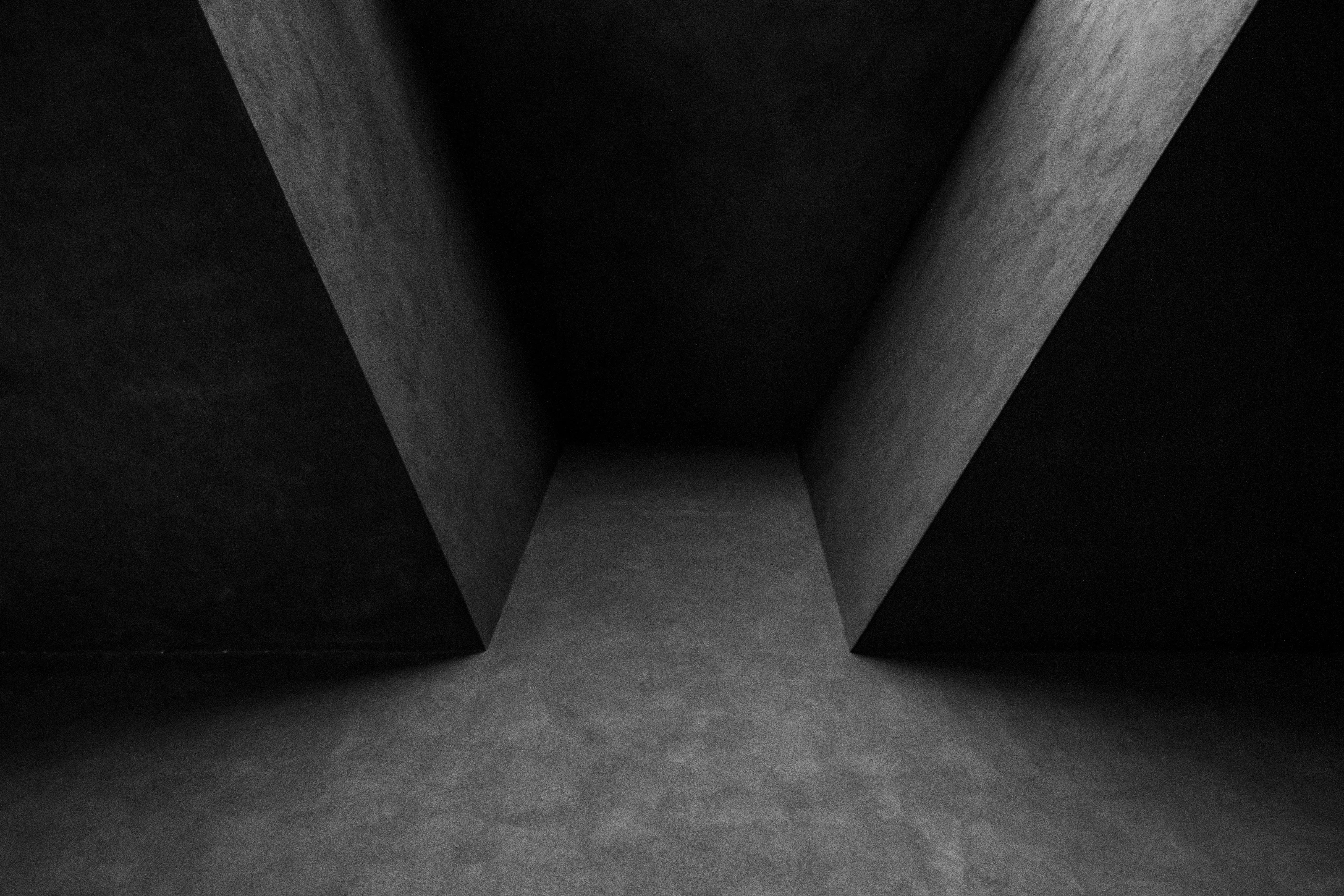
Brutalism is not for everyone and it should not be. A healthcare brand or a children's education platform has no business being brutal. But for brands in the creative industries — agencies, studios, musicians, artists, independent publishers — brutalism can be an extraordinarily powerful positioning tool. In a landscape where every creative agency website looks identical, a brutalist approach immediately signals confidence and independence. It says we are not trying to please everyone. We know exactly who we are and exactly who we are for. That kind of clarity is rare and valuable. It attracts the right clients and repels the wrong ones, which is exactly what a strong brand identity should do. The best brutalist work we have seen in recent years shares one quality: it feels completely inevitable. Like the brand could not possibly have looked any other way.
How To Do It Without Doing It Wrong
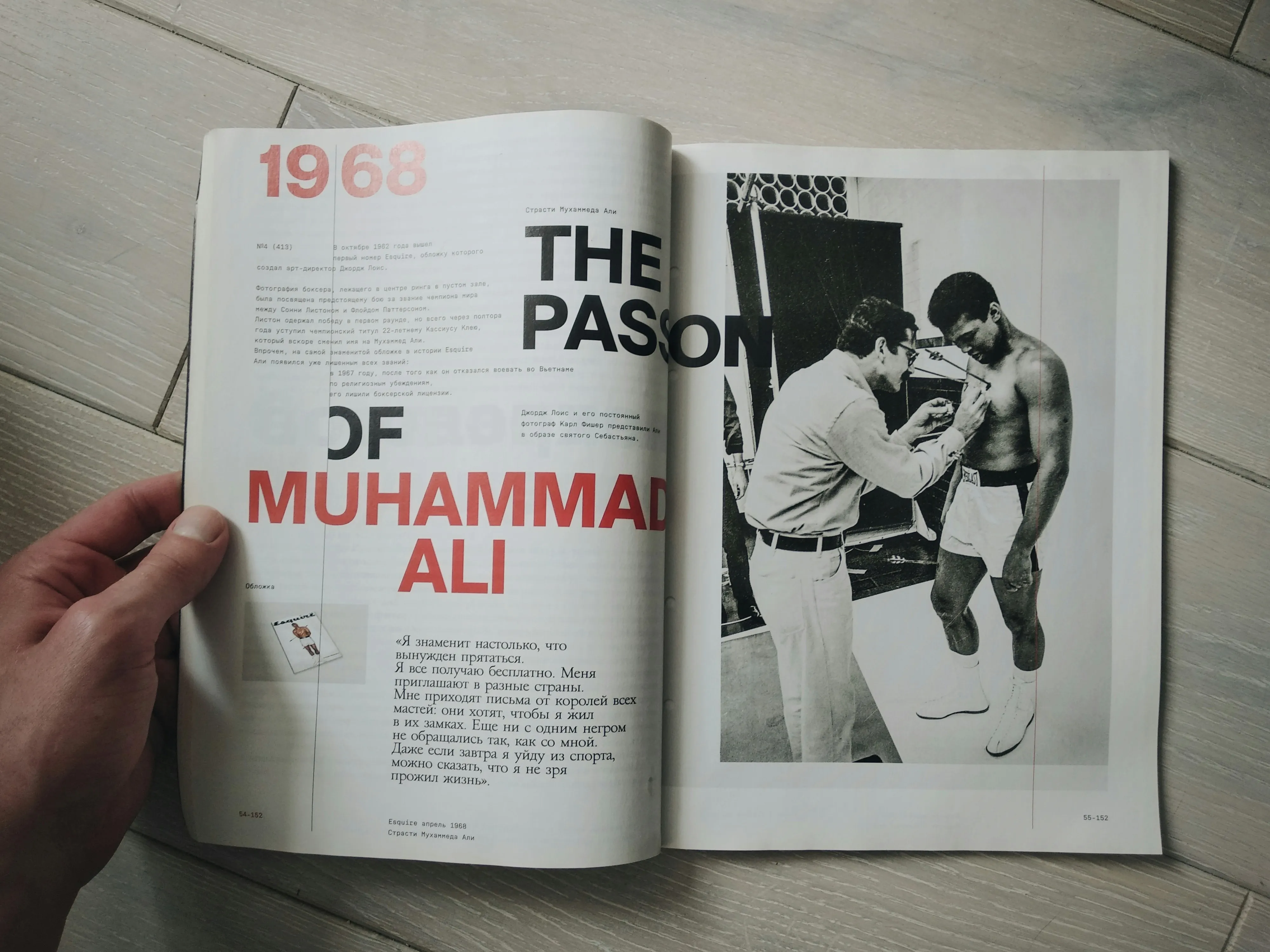
The risk with brutalism is that it becomes an excuse for laziness. Real brutalism requires as much craft and intention as any other design approach — possibly more, because there is nowhere to hide. When you strip away the polish and the convention, every decision is exposed. Bad spacing, weak hierarchy, inconsistent rhythm — all of these things that can be masked by a beautiful colour palette or a premium photography treatment become glaring in a brutalist context. The key is to be deliberately crude rather than accidentally careless. Every broken convention should be broken on purpose. Every moment of visual tension should be there because it serves the work. Brutalism done well is one of the most exciting and memorable things in web design today. Brutalism done badly is just a bad website with an excuse.
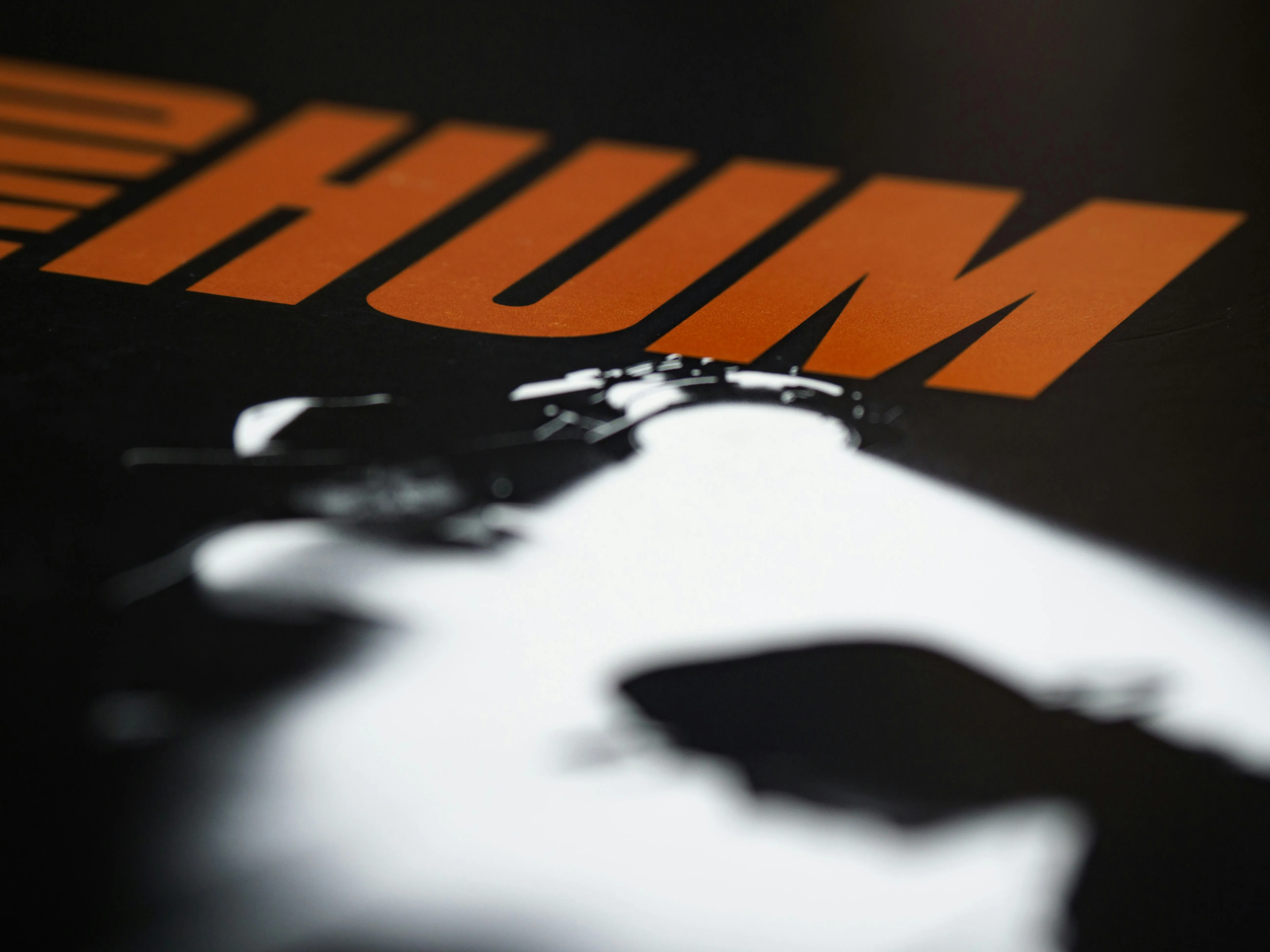
The web does not need more beautiful, forgettable websites. It needs more work that takes a position, that makes a statement, that leaves an impression. Brutalism — at its best — does exactly that. It is not a style to be applied like a filter. It is an attitude to be adopted with full conviction and genuine craft. At Glyph Co., we believe the most interesting design work happening on the web right now is work that refuses to be comfortable. Brutalism is one path there. It is not the only one. But it is one worth taking seriously.
More publications
Keep Reading.
Make this yours