What We Learned From Building 10 Websites In 12 Months
Category
Studio
Published date
Read time
8 min read
Author
Marcus Reid
When we look back at the last twelve months at Glyph Co., the number that stands out is ten. Ten client websites designed, built and launched across ten very different briefs, industries and budgets. That is a lot of work for a small studio. It is also a lot of learning — about process, about client relationships, about what actually makes a website succeed and what causes even well-executed projects to fall short of their potential. We have never written about what goes on behind the scenes at Glyph Co. before. But ten projects feels like enough of a milestone to be worth reflecting on honestly and publicly. Here is what we learned.
The Brief Is Never The Brief
Every project starts with a brief. And in our experience, the brief is almost never the actual brief. What clients write down in a brief document is their best attempt to articulate what they think they want. What they actually need is often different — sometimes subtly, sometimes dramatically. The most valuable thing a studio can do in the early stages of a project is invest serious time in understanding the gap between the two. This means asking uncomfortable questions. It means pushing back on assumptions. It means spending time understanding the business, the audience and the competitive landscape rather than jumping straight to creative concepts. The projects that went smoothest for us this year were the ones where we took the most time upfront to understand what was actually being asked. The ones that hit turbulence were almost always the ones where we accepted the brief at face value and started designing too quickly.

Speed And Quality Are Not Always At Odds
There is a common assumption in the creative industry that quality takes time and speed is the enemy of craft. We have found this to be only partially true. Certainly, rushing the wrong parts of a project — the strategic foundation, the design exploration, the QA process — reliably produces worse outcomes. But there are parts of the production process where speed and quality are entirely compatible, and where investing in better systems, better tooling and better component libraries actually makes you faster and better simultaneously. The studios that move fastest without sacrificing quality are not the ones that cut corners — they are the ones that have invested in the right infrastructure. This year we overhauled our component library, our project management process and our client communication systems. Every project that ran through the new process was both faster and better than the ones that ran through the old one.
Client Relationships Are The Product
The best work we did this year did not happen because we had the best ideas. It happened because we had the best relationships. The projects where clients trusted us enough to take creative risks, where communication was honest and frequent, where feedback came from a place of genuine collaboration rather than anxious oversight — those were the projects that produced work we are genuinely proud of. The projects where the relationship was more transactional, where trust had to be earned slowly and every decision required extensive justification, were harder, slower and almost always produced less interesting work. This has changed how we think about new client relationships. We now invest significantly more time in the qualification process — trying to understand not just whether a project is right for us technically and creatively, but whether the relationship has the foundations to produce great work. Not every client is the right client. Knowing the difference earlier saves everyone time.
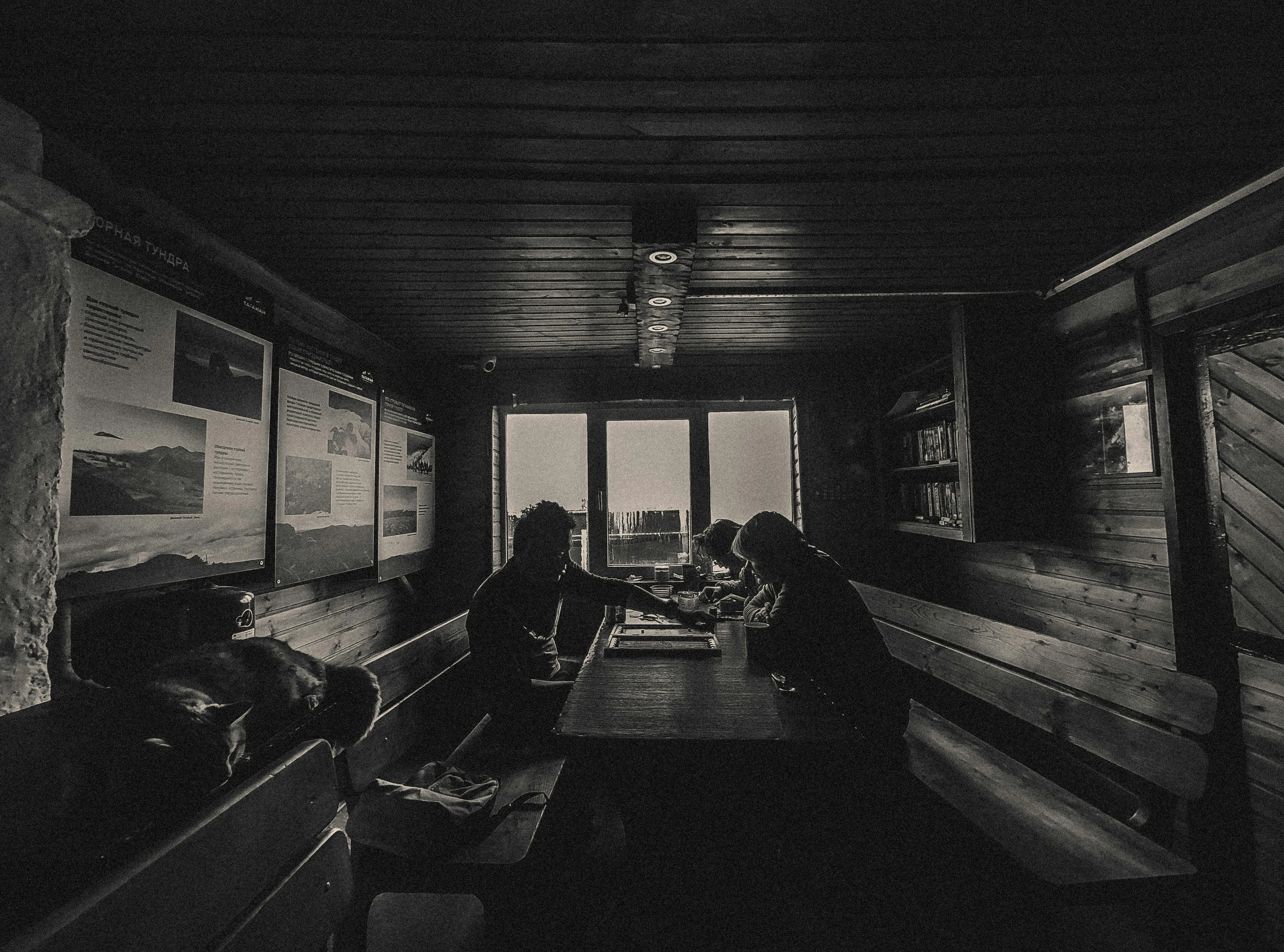
Ten projects. Twelve months. A lot of long nights, a lot of problem solving, a lot of moments where we were not sure we were going to get it right and then did. Looking back, the thing we are most proud of is not any individual piece of work — although there are pieces we are very proud of. It is the fact that we learned something meaningful from every single project and brought those lessons into the next one. That is what a studio that genuinely cares about craft looks like from the inside. Constantly improving, constantly questioning, never satisfied with good enough. We are already looking forward to what the next twelve months teach us.
More publications
Keep Reading.
Make this yours