The Psychology Of White Space In Design
Category
Design
Published date
Read time
5 min read

Author
Yuna Choi

There is a conversation that happens in almost every client relationship at some point. The designs come back looking clean, considered and confident. There is generous space between elements, the layout breathes, the hierarchy is clear. And then the client says: can we fill in some of that empty space? It feels a bit bare. This conversation is so common it has become something of an industry joke among designers. But it points to a real and important misunderstanding about what white space actually is and what it actually does. White space is not emptiness. It is not wasted real estate. It is one of the most active, intentional and powerful elements in any composition.

What White Space Actually Communicates
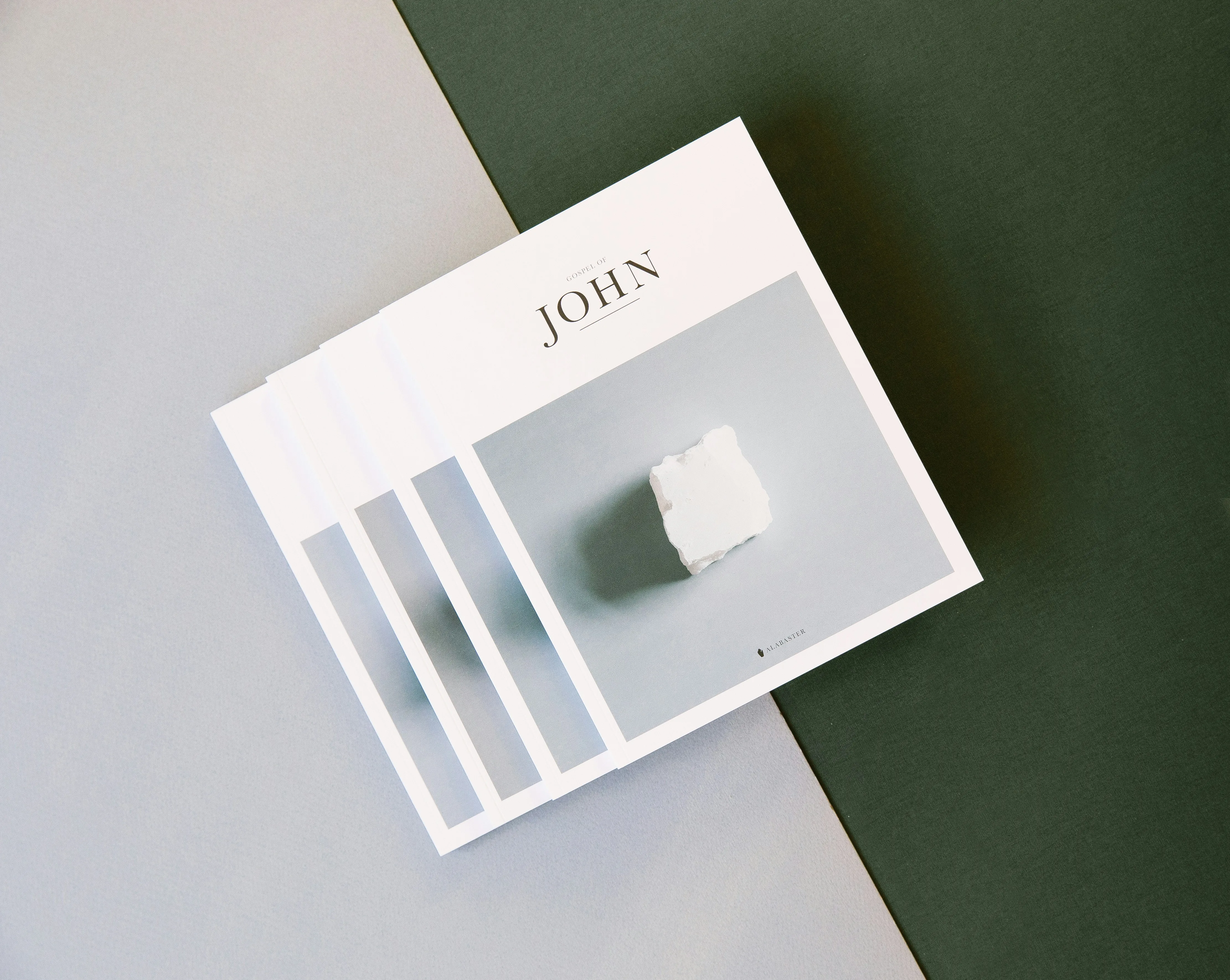
White space communicates before the content does. A layout with generous spacing signals confidence, quality and restraint. It tells the viewer that the brand is secure enough in what it is saying that it does not need to fill every available pixel with a message. This is why luxury brands almost universally use generous white space in their communications — it is one of the clearest visual signals of premium positioning available to a designer. Conversely, a layout that fills every available space with content communicates urgency, volume and accessibility — which is exactly right for certain contexts like supermarket catalogues or news aggregators, where the density of information is itself the value proposition. Understanding what your white space is communicating is as important as understanding what your copy is saying. Both are sending signals. The question is whether those signals are aligned.
Active Space vs Passive Space
Not all white space is created equal. Designers distinguish between macro white space — the large scale breathing room between major sections of a layout — and micro white space, the fine grained spacing between individual elements like letters, lines of text and UI components. Both matter enormously but they operate differently. Macro white space creates the overall rhythm and pace of a layout. It is what makes a page feel generous or cramped, considered or rushed. Micro white space is what makes content legible, scannable and comfortable to engage with over extended periods. The most common micro spacing mistake is insufficient line height in body text — content that is technically readable becomes genuinely unpleasant to read for more than a few sentences. Getting both scales of white space right simultaneously is one of the defining marks of a designer who truly understands layout.

How To Defend White Space To Clients
The challenge with white space is that its value is experiential rather than immediately obvious. When a client looks at a design with generous spacing, they see opportunity cost — all the things that could have been communicated in the space that is currently empty. The designer's job is to help them understand that the space is not empty, it is working. One of the most effective approaches is to show the alternative — to take the same design, fill in the space with the content the client wants to add, and put both versions side by side. The difference is almost always immediately apparent, even to non-designers. The generous version looks premium. The filled version looks cluttered. Another effective approach is to reference brands the client admires and point out how much white space they use. Most people have never consciously noticed this before. Once they see it, they cannot unsee it.
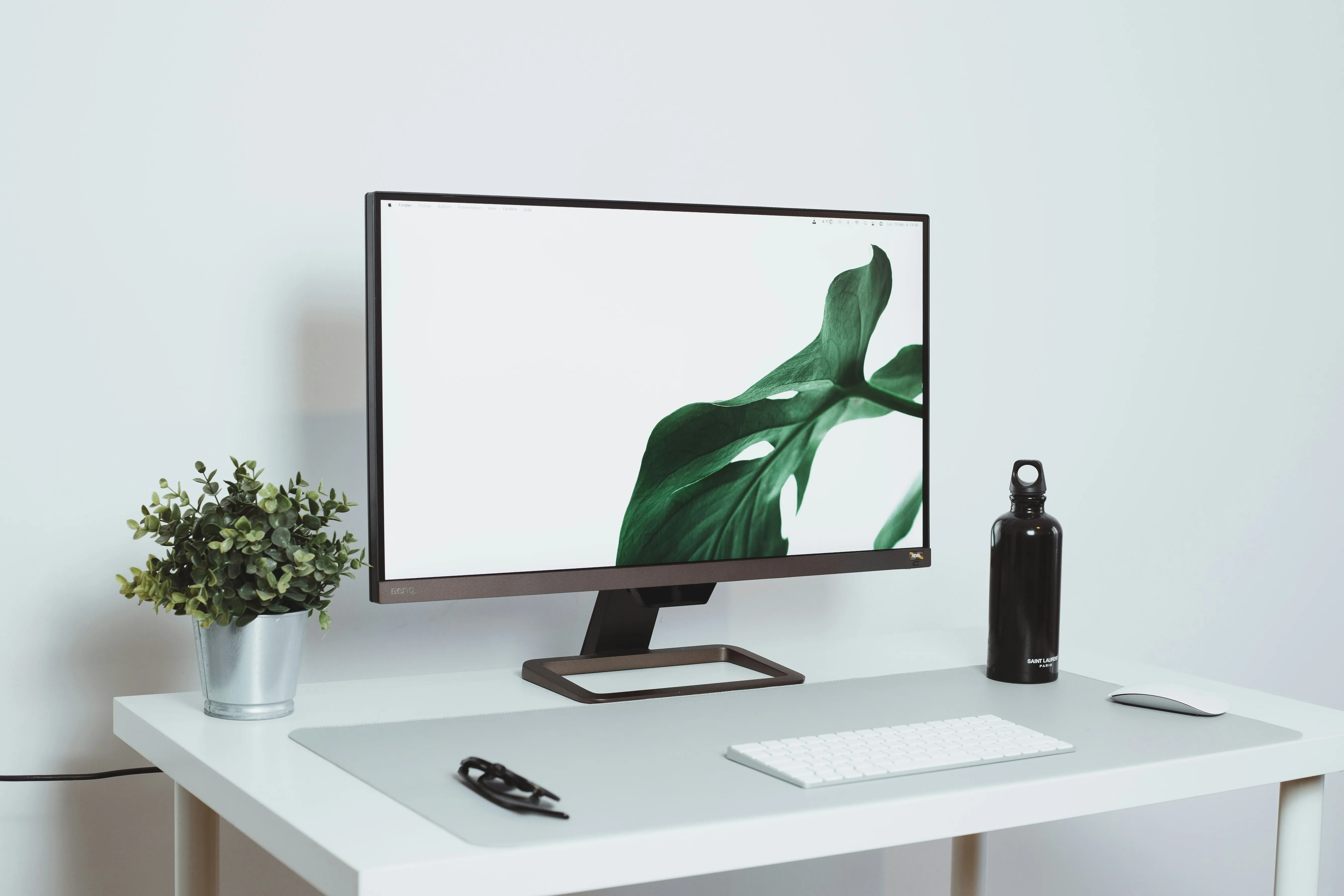
White space is confidence made visible. It is the designer's way of saying: what we have to say is worth your full attention, and we are not going to compete with ourselves for it. The most enduring, most admired, most effective design work in the world uses white space not as a last resort after everything else has been placed, but as a primary compositional tool planned from the very beginning. At Glyph Co., we fight for white space on every project we take on. Not because it looks nice — although it does — but because it works. And in design, that is ultimately the only argument that matters.
More publications
Keep Reading.



Make this yours